2026 Best Current Transformer Core Options for Electrical Applications?
Choosing the right Current Transformer Core is vital for optimal electrical applications. The performance of electrical systems heavily relies on transformer cores. These components accurately measure current levels, ensuring efficiency and safety in operations.
Several materials and designs are available, each with unique characteristics. Factors such as insulation, temperature tolerance, and magnetic permeability come into play. These details significantly affect performance, yet many overlook them during selection.
Future advancements may bring even better options. However, knowledge of current choices is still essential. As technology evolves, keeping abreast of changes is crucial for engineers and technicians. Selecting the right Current Transformer Core is not just about specifications; it requires thoughtful consideration of application needs.
Overview of Current Transformer Cores and Their Functions
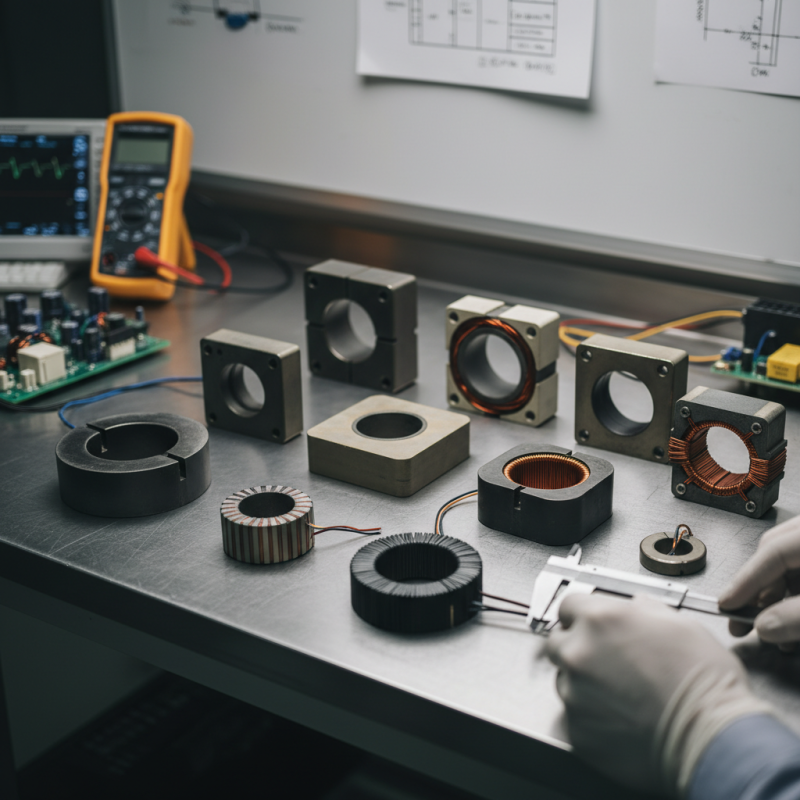
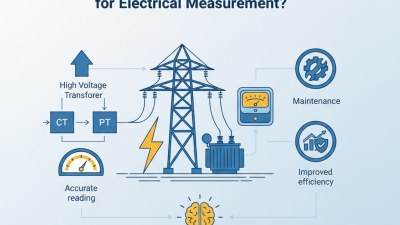
Current transformers (CTs) play a key role in electrical systems. They measure current flow and ensure accurate readings. The core material used in these transformers significantly affects their performance. Various materials have different impacts on factors like magnetic permeability and saturation levels. The right core can enhance efficiency and accuracy in measurements.
Silicon steel cores are common in current transformers. They offer high permeability and low hysteresis loss. Studies show that using high-quality silicon steel can improve efficiency by up to 15%. However, these materials may have limitations in high-frequency applications. Alternatives like ferrite cores can handle higher frequencies better. They are more suitable for precise measurements in modern electronics.
Another option gaining attention is amorphous steel cores. These cores have lower losses compared to standard silicon steel. Reports indicate they can decrease energy losses by nearly 30%. Yet, they might be more expensive and harder to work with. Each core material has unique advantages and challenges. Understanding these factors is crucial for selecting the right current transformer core for any application.
Key Materials Used in Current Transformer Cores
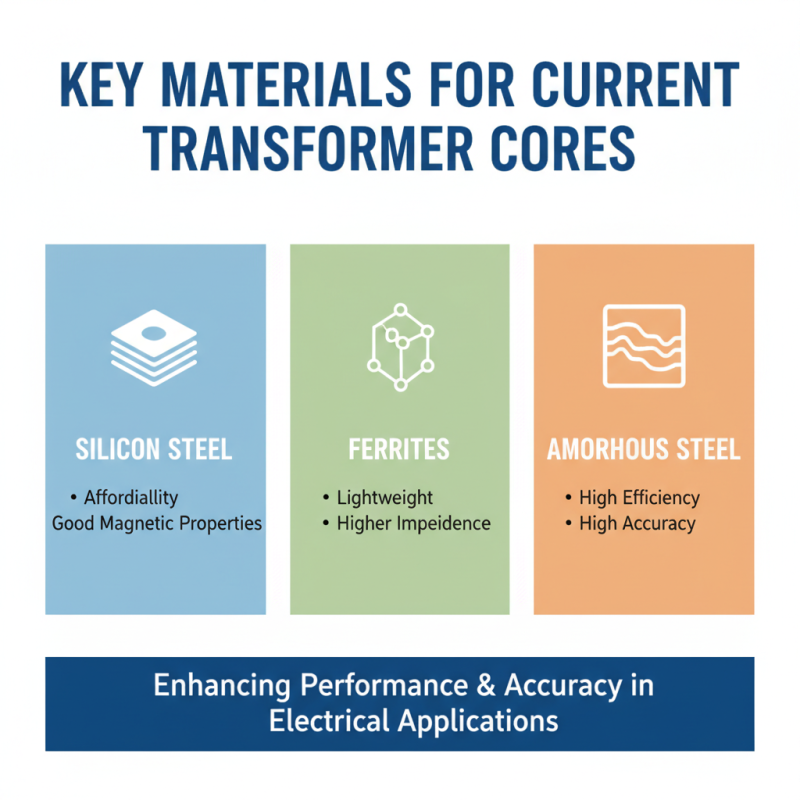
When selecting materials for current transformer cores, it's vital to consider the properties that enhance performance. Several magnetic materials are commonly used, including silicon steel, ferrites, and amorphous steel. Each material has unique characteristics that affect efficiency and accuracy in electrical applications. Silicon steel is often favored for its affordability and good magnetic properties, while ferrites are lightweight and provide higher impedance.
Amorphous steel has gained attention in recent years due to its lower energy losses. This material exhibits higher permeability and lower core losses compared to traditional silicon steel. Additionally, its manufacturing process allows for thinner cores, making them suitable for applications requiring compact designs. However, the cost of amorphous steel can be a drawback for some projects.
While these materials show promising results, challenges remain. For instance, the saturation point of each core material can limit their use in high-current situations. Understanding how each material reacts to different electrical loads is crucial for optimal application. Engineers must weigh these factors to ensure the selected core not only meets performance criteria but also aligns with budget constraints.
Comparative Analysis of Core Types for Electrical Applications
When selecting current transformer cores for electrical applications, understanding core types is essential. Each core material has unique properties that significantly affect performance. Silicon steel, for instance, offers high permeability and efficiency. However, it can be bulky and less flexible in certain designs. Ferrite cores, on the other hand, are lightweight and suitable for high-frequency applications. They provide advantages but may not handle saturation as well as silicon steel.
The choice of core type can depend on specific application needs. Some areas demand high accuracy, while others prioritize size and weight. There are trade-offs in terms of cost and performance as well. For example, amorphous cores are gaining popularity due to their lower losses. Yet, they can be more challenging to manufacture, raising production costs.
Understanding these factors is critical for engineers and designers. Each application presents its own challenges and ideal solutions may vary greatly. Conducting thorough evaluations of core types will lead to better decisions. Relying too heavily on one type without evaluating others can lead to inefficiencies.
2026 Best Current Transformer Core Options for Electrical Applications - Comparative Analysis of Core Types for Electrical Applications
| Core Type |
Material |
Permeability (μ) |
Temperature Rating (°C) |
Application Area |
| Silicon Steel |
Silicon Iron |
1000 - 4000 |
-20 to 120 |
Power Transformers |
| Ferrite |
Zinc Ferrite |
1000 - 10,000 |
-40 to 150 |
High-Frequency Applications |
| Amorphous Steel |
Amorphous Iron |
5000 - 6000 |
-30 to 130 |
Energy-Efficient Transformers |
| Nanocrystalline |
Nanocrystalline Alloy |
10000 - 12000 |
-40 to 150 |
High Performance, Low Loss |
| Powdered Iron |
Iron Powder |
30 - 200 |
-40 to 120 |
Inductor and Choke Applications |
| Composite Cores |
Variant Materials |
500 - 2000 |
-30 to 130 |
Custom Applications |
Performance Metrics for Selecting Transformer Cores
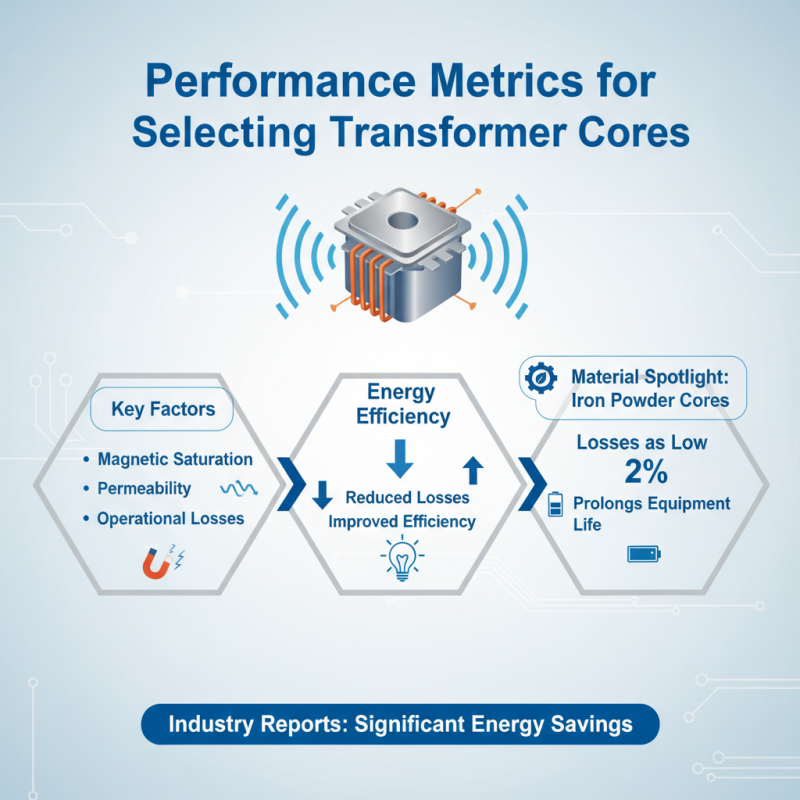
When selecting transformer cores, performance metrics are crucial. Key factors include magnetic saturation, permeability, and losses during operation. The right core material can significantly reduce energy losses, impacting overall efficiency. According to industry reports, iron powder cores can have losses as low as 2% under specific conditions. This performance boosts energy savings and prolongs equipment life.
The size and shape of the core also matter. Core dimensions affect the magnetic flux and, subsequently, the efficiency of the transformer. For instance, a core that is too small may not handle the required load effectively. On the flip side, an oversized core can lead to increased material costs and unnecessary bulkiness. Striking a balance is essential, and it often requires careful analysis.
Temperature stability is another important metric to consider. High temperatures can alter magnetic properties and increase losses. Selecting materials that can withstand operational temperatures without degrading magnetic performance is vital. Engineers often rely on fatigue testing to anticipate performance under stress. Recognizing these factors will guide professionals toward making informed decisions in their transformer core selections.
Future Trends in Current Transformer Core Technology
Current transformer core technology is evolving rapidly. The emphasis is on improving efficiency and precision. New materials are being explored to enhance performance. This shift is crucial for optimizing electrical applications. As the demand for higher accuracy in power monitoring grows, innovations are key.
One area of focus is nanocrystalline cores. These materials offer lower losses compared to traditional options. Their high magnetic permeability boosts the overall efficiency of transformers. However, challenges remain in manufacturing techniques. Scaling up production while maintaining quality can be difficult. This requires ongoing research and practical solutions.
Another trend is the integration of smart technologies. Smart sensors can provide real-time data on performance. This data can help identify possible issues before they escalate. Yet, the complexity of these systems may lead to reliability concerns. Striking a balance between advanced features and dependable operation is essential. The future of current transformer core technology promises significant advancements, but critical challenges will need addressing.