2026 Best Transformer Core Innovations and Technologies Explained
The landscape of transformer core technology is rapidly evolving. As organizations seek efficiency and sustainability, innovations are crucial. Transformer cores are pivotal in enhancing performance, reliability, and energy efficiency.
New materials and advanced designs promise better thermal management and reduced energy losses. Innovations like amorphous steel and nanocrystalline alloys are gaining attention. These materials can enhance magnetization and reduce hysteresis loss. Yet, challenges remain. The durability and cost-effectiveness of these materials need careful evaluation.
Understanding the best transformer core innovations is vital for industry leaders. It allows them to make informed decisions that align with their operational goals. Navigating this complex landscape requires expertise. As we explore the best technologies of 2026, we must also reflect on the shortcomings of traditional designs. Embracing new ideas while acknowledging past mistakes is key to progress.

Emerging Materials for Transformer Cores in 2026
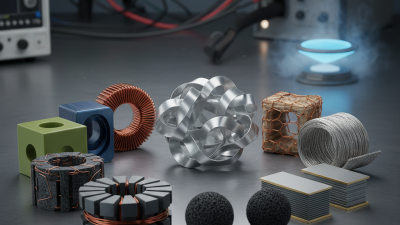
As we approach 2026, the need for improved transformer core materials grows. Emerging materials are key to enhancing efficiency and performance. Research indicates that nanocrystalline materials are gaining traction. They offer superior magnetic properties and lower core losses compared to traditional silicon steel. The application of these materials can lead to reduced energy consumption in electrical systems.
Additionally, amorphous metals are becoming more prominent in transformer core design. These materials boast lower magnetization losses, which can significantly increase the lifespan of transformers. While these advancements are promising, challenges remain in integrating new materials into existing manufacturing processes. There is a need for further exploration of cost-effective production methods.
Field tests reveal that some innovative materials still face durability issues. Their long-term performance under varying temperature and load conditions needs more evidence. As the sector pushes for greener technologies, adequate testing and validation are crucial. The next few years will determine which materials can reliably transform the landscape of electrical energy distribution.
Advancements in Core Design for Enhanced Efficiency and Performance
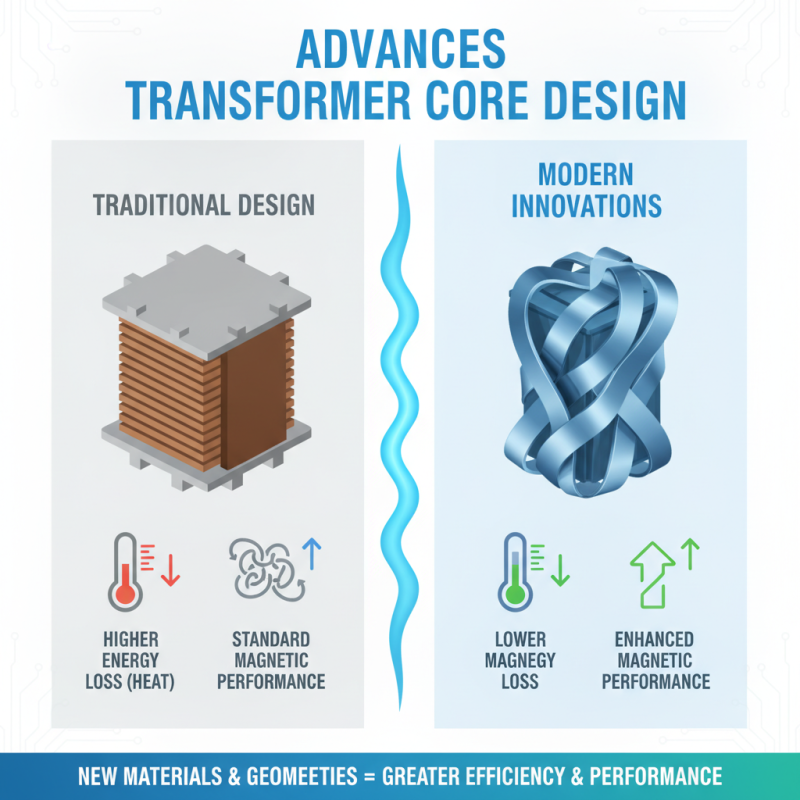
The advancements in transformer core design are crucial for enhancing energy efficiency. Modern technologies leverage new materials and innovative geometries to improve magnetic performance. Innovations like amorphous steel reduce energy losses, providing better results compared to traditional materials. This change leads to transformers that waste less energy in the form of heat.
Investing in smarter core designs has shown promising results. Thin laminations and optimized core shapes minimize hysteresis losses. However, there are still challenges. Some designs may add complexity, increasing manufacturing costs. Balancing performance with affordability requires ongoing research and collaboration among engineers.
In the quest for efficiency, the industry faces a reflective moment. While improvements have been made, the push for sustainability must remain a priority. As technologies evolve, it's vital to evaluate their long-term impacts. The pursuit of enhanced performance in transformer core technology is indeed a journey, not a destination.
Innovative Manufacturing Techniques for Transformer Core Production
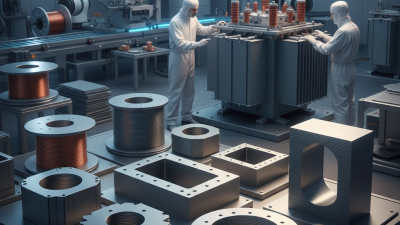
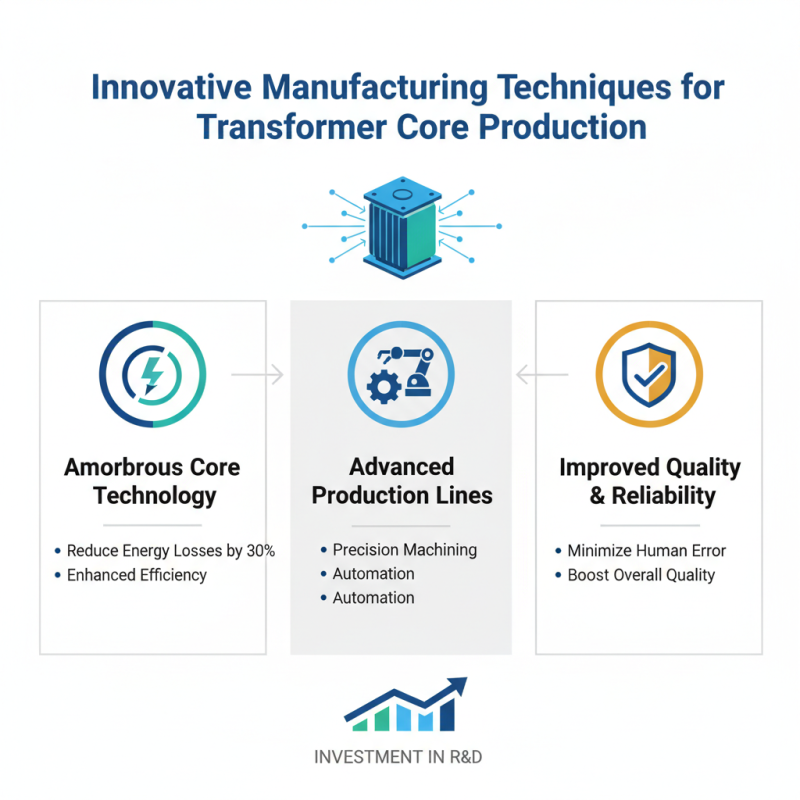
Innovative manufacturing techniques are reshaping the production of transformer cores. Recent reports indicate that advanced methods such as amorphous core technology can reduce energy losses by up to 30%. This leads to enhanced efficiency in power distribution systems. Companies are now investing in state-of-the-art production lines that employ precision machining and automation. These changes minimize human error and boost overall quality.
Another key innovation involves the use of thinner silicon steel. This material allows for more compact designs without sacrificing performance. Studies suggest that utilizing thinner laminations can improve magnetic permeability, leading to lighter and more efficient transformers. Despite these advantages, some manufacturers still rely on traditional methods, risking competitiveness in the market.
Additionally, companies face challenges in scaling these innovations. Not every facility can implement such advanced techniques without substantial investment. The transition requires thorough planning and skilled operators. The gap between early adopters and traditional manufacturers may widen, raising concerns for those lagging behind. Balancing innovation with operational efficiency remains an ongoing struggle in the industry.
Smart Technologies Integrating IoT in Transformer Core Management
The integration of IoT in transformer core management is transforming the energy sector.
Smart technologies allow real-time monitoring of the transformer’s health. Sensors placed within the core can detect issues before they escalate. This proactive approach minimizes downtime and enhances efficiency.
Implementing IoT solutions can seem daunting. Start by focusing on small-scale projects to test their effectiveness. Collect data to understand behavioral patterns in your transformers. Analyze this data to make informed decisions. Reflection on results is essential. You may find that initial investments lead to significant long-term savings.
Regular maintenance is crucial. IoT can predict when maintenance is needed based on data analytics. This shifts maintenance from being reactive to proactive. Utilize IoT insights to create a maintenance schedule that fits your specific needs. Continual learning from these experiences can refine your strategies further.
Sustainability Trends Impacting Transformer Core Innovations in 2026
The transformer core technology landscape is evolving under the pressures of sustainability. In 2026, innovations will focus on using eco-friendly materials. Companies will seek alternatives to traditional iron cores. These materials should reduce energy losses and minimize environmental impact. The goal is to achieve high efficiency while being mindful of resource extraction.
Recycling old transformer cores will also play a crucial role. This practice can lower costs and reduce waste. However, the processes involved may require improvement. Finding effective ways to reclaim materials is still a challenge. Industry leaders must collaborate to develop best practices.
Another trend is the adoption of enhanced cooling technologies. These methods can increase a transformer's lifespan and efficiency. Yet, they also raise questions about feasibility and implementation. Sustainability trends are not just about new materials. They encompass a mindset shift towards more responsible manufacturing. This transformation may take time and effort but is necessary for the future.
2026 Best Transformer Core Innovations and Technologies Explained
| Innovation Type |
Description |
Sustainability Impact |
Future Trends |
| Amorphous Steel Cores |
Utilization of amorphous steel that offers lower energy losses. |
Significantly enhances efficiency, reducing energy consumption. |
Increased adoption in renewable energy sectors. |
| High-Temperature Superconductors |
Cores made with superconducting materials to increase efficiency. |
Reduces material usage and losses, promoting long-term sustainability. |
Research and development into cost-effective production methods. |
| Nanocrystalline Materials |
Use of nanostructured materials for better magnetic properties. |
Enhanced performance leading to reduced carbon footprint. |
Potential for wider applications in electric mobility. |
| Biodegradable Insulations |
Developing insulation materials that are environmentally friendly. |
Reduces the ecological impact of transformer disposal. |
Research in plant-based materials for electrical applications. |
| Smart Transformer Technologies |
Integration of IoT for real-time monitoring and diagnostics. |
Maximizes efficiency and extends lifespan through predictive maintenance. |
Increasing demand for grid modernization and resilience. |