Why Choose Instrument Transformers for Global Sourcing?
Global sourcing is changing how utilities, manufacturers, and engineering contractors purchase Instrument Transformers. The decision is not only about price. It involves accuracy, insulation strength, delivery reliability, testing discipline, and long-term service.
John D. McDonald, an IEEE power-system specialist, expresses the central principle clearly: “Reliable protection begins with reliable measurement.” His view reflects daily field experience. A current transformer may sit inside a compact switchgear panel, yet it carries serious responsibility. Its signal supports meters, relays, fault records, and operating decisions.
A capable global supplier should provide traceable test reports, clear technical drawings, and consistent production controls. Buyers should examine accuracy classes, burden ratings, insulation levels, thermal limits, and environmental performance. Certifications matter, but they do not replace engineering judgment. A polished certificate cannot correct a poor application review.
Instrument Transformers can also reduce sourcing risk when suppliers maintain stable materials and documented quality systems. Copper connections should be secure. Bushings should arrive clean and undamaged. Packaging should withstand long transport, vibration, and changing humidity.
Still, global sourcing is not perfect. A lower quotation may hide communication gaps, delayed samples, or unclear responsibility after shipment. Even experienced buyers can overlook small interface details. That weakness deserves attention.
The strongest sourcing strategy combines supplier audits, sample testing, reference projects, and direct technical communication. It treats every transformer as part of a protection system, not merely as a catalog item. This approach supports dependable performance across different grids, climates, standards, and operating conditions.
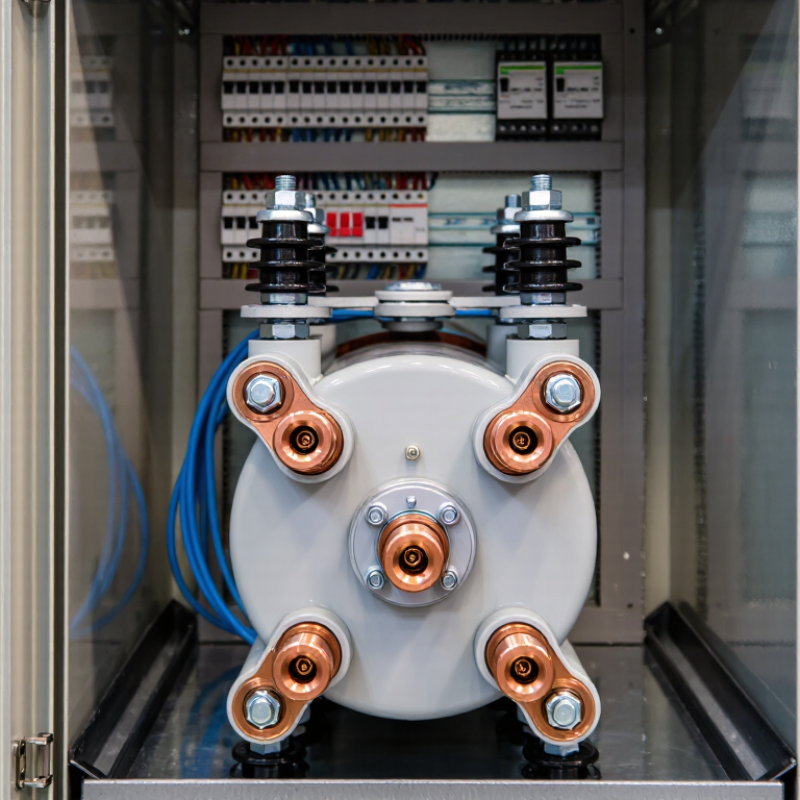
Instrument transformers connect high-voltage systems with meters, relays, and monitoring equipment. They reduce dangerous primary values to standardized secondary signals. Current transformers measure current, while voltage transformers measure voltage. This separation protects technicians and sensitive devices during operation.
A current transformer, or CT, uses magnetic induction to reproduce primary current at a lower ratio. A voltage transformer, or VT, performs a similar task for voltage measurement. Protection relays use these signals to detect overloads, short circuits, and abnormal conditions. IEC 61869 defines key requirements for instrument transformers, including accuracy, insulation, and testing. A small specification error can distort protection performance.
Global electricity demand is expected to rise by more than 6% between 2023 and 2026, according to the International Energy Agency’s Electricity 2024 report. More networks will require dependable measurement and protection. Sourcing decisions should therefore examine accuracy class, burden, insulation level, frequency, climate rating, and routine-test records. Factory acceptance testing matters. So does traceable calibration.
The cheapest offer is rarely the full cost. Shipping conditions, documentation gaps, and unsuitable terminal layouts can create delays. A CT secondary must not remain open during energization. That detail is easy to overlook. Engineers should compare drawings line by line, although even careful reviews can miss site-specific constraints. Reliable sourcing means matching the transformer to the grid, not merely matching a catalog number.
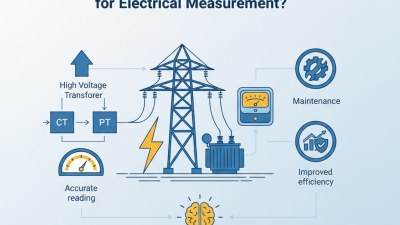
Instrument transformers support safe measurement, protection, and control in medium- and high-voltage networks. According to the International Energy Agency’s 2023 Electricity Grids and Secure Energy Transitions report, global grid investment must exceed $600 billion annually by 2030. The report also anticipates 80 million kilometers of new or refurbished grids by 2040. This expansion increases demand for dependable measurement equipment.
Current transformers, or CTs, reduce high primary currents for meters and protection relays. They suit substations, industrial plants, and renewable-energy connections. Voltage transformers provide scaled voltage signals for measurement and control. Capacitive voltage transformers can serve extra-high-voltage systems and support line monitoring. Combined transformers reduce installation space by integrating current and voltage measurement. Optical current sensors may offer lower magnetic saturation risk, but their performance depends heavily on system design and environmental conditions. There is no perfect choice.
IEC 61869 is a useful reference when comparing accuracy, insulation, testing, and climate performance. In project reviews, engineers should examine burden, knee-point voltage, frequency, altitude, and short-circuit conditions. A small mismatch can distort protection decisions.
Tips: Request type-test evidence, routine-test records, and calibration details. Check local grid requirements before approving a global specification. Do not rely on price alone. A cheaper unit may create higher commissioning costs, especially when documentation is incomplete. Also, report uncertainties openly; field conditions rarely match laboratory assumptions.
Why Choose Instrument Transformers for Global Sourcing?
Instrument transformers convert high voltage and current into safer signals for meters and protection relays. Their performance affects billing accuracy, fault detection, and equipment safety. Global sourcing gives buyers access to wider manufacturing capacity, specialized testing facilities, and more flexible production schedules. The International Energy Agency reported that annual grid investment must rise above 600 billion dollars by 2030. This expansion increases demand for dependable current and voltage transformers.
Quality remains the main benefit. Experienced suppliers can provide accuracy-class records, insulation test results, impulse withstand data, and traceable material certificates. Buyers should verify compliance with IEC 61869 and review routine test procedures before approving samples. A practical inspection may include checking terminal markings, gasket condition, enclosure finish, and nameplate data. Small details matter. They prevent expensive installation errors.
International sourcing can also reduce total purchasing costs, not merely the unit price. Competitive quotations may improve budgets, while dual sourcing can reduce dependence on one production region. However, the cheapest offer is not always economical. The World Bank’s 2023 Logistics Performance Index shows that customs, infrastructure, and delivery reliability vary widely between markets. Long lead times can erase an apparent saving. Some specifications may also be misunderstood across languages. Clear drawings, staged approvals, and witnessed testing reduce that risk, although no sourcing model is perfect.
| Sourcing Dimension | Relevant Technical Data | International Sourcing Benefit | Procurement Checkpoint |
|---|---|---|---|
| Product Coverage | Current transformers measure current; voltage transformers measure voltage. Combined units can integrate both functions in one assembly. | A broader supplier base can support different substation, metering, protection, and industrial requirements through one sourcing program. | Confirm the required transformer type, indoor or outdoor installation, insulation medium, and system voltage. |
| Applicable Standards | IEC 61869 is the principal international series for instrument transformers. Parts 1, 2, and 3 cover general requirements, current transformers, and inductive voltage transformers. | Common standards simplify technical comparisons and support acceptance across multiple countries and utility environments. | State the required edition, applicable national deviations, routine tests, type tests, and documentation in the purchase specification. |
| Measurement Accuracy | Common metering accuracy classes include 0.1, 0.2, 0.5, and 1.0; the required class depends on the metering or protection application. | Global sourcing allows buyers to match accuracy to the application instead of paying for unnecessarily tight tolerances. | Specify accuracy class, rated burden, operating range, and whether the requirement applies to each secondary winding. |
| Protection Performance | Protection CTs are commonly specified with classes such as 5P or 10P, together with an accuracy-limit factor; exact requirements depend on the protection scheme. | Access to technically capable international suppliers can improve suitability for differential, overcurrent, distance, and earth-fault protection. | Define protection class, accuracy-limit factor, knee-point voltage where applicable, secondary resistance, and relay requirements. |
| Rated Burden | Burden is expressed in volt-amperes (VA). Typical project specifications may use values such as 5 VA, 10 VA, or 15 VA, but the correct value is determined by connected leads and devices. | Accurate burden calculations help prevent overspecification, reduce physical size, and improve cost control in cross-border procurement. | Calculate the total connected burden, including cable impedance, meters, relays, and terminal connections. |
| System Compatibility | Key parameters include rated primary current or voltage, rated secondary current or voltage, frequency, insulation level, and system earthing arrangement. Power-system frequencies are commonly 50 Hz or 60 Hz. | International suppliers can support different grid configurations when the technical schedule is clearly standardized. | Verify frequency, highest voltage for equipment, power-frequency withstand voltage, lightning impulse withstand voltage, and creepage requirements. |
| Quality Assurance | A complete quality program normally includes design verification, incoming-material control, process inspection, routine tests, calibration control, and traceable test records. | A documented quality system reduces inspection uncertainty when products cross borders and are installed by different project teams. | Request quality certificates, inspection and test plans, calibration records, nonconformance procedures, and serial-number traceability. |
| Testing and Compliance | Routine tests may include accuracy verification, insulation tests, polarity checks, ratio checks, terminal marking verification, and partial-discharge testing where specified. | Standardized test documentation supports faster technical approval and reduces the risk of costly rework after delivery. | Agree on test procedures, witness points, acceptance criteria, test certificates, and the language of all final documents. |
| Logistics and Packaging | Instrument transformers can be sensitive to shock, moisture, contamination, and incorrect terminal protection during transport. | Global sourcing can provide flexible shipment planning, consolidated packaging, and delivery options for multi-country projects. | Define packaging standards, shock and tilt indicators where required, moisture protection, export documents, Incoterms, and delivery inspection. |
| Lifecycle Support | Useful support includes installation instructions, wiring diagrams, maintenance guidance, spare-part identification, and technical assistance for testing and commissioning. | A documented lifecycle approach improves maintainability for assets installed across different regions. | Confirm document availability, warranty terms, replacement-unit compatibility, service response process, and long-term record retention. |
| Total Cost of Ownership | Total cost includes purchase price, engineering, testing, freight, customs, installation, commissioning, losses, maintenance, and replacement risk. | Comparing total delivered cost rather than unit price helps identify the most economical option for international projects. | Use a total-cost model and include local certification, duties, taxes, site labor, spare units, and expected service life. |
Technical ratings, accuracy classes, insulation levels, and testing requirements must be selected according to the applicable grid code, project specification, and edition of the relevant IEC or national standard.
They support metering, protection, and safe isolation in high-voltage networks. The IEC 61869 series defines core requirements for accuracy, insulation, and routine testing. IEEE C57.13 provides another widely used reference for instrument-transformer performance.
Buyers should state the required standard edition, frequency, burden, accuracy class, and installation environment. Small omissions create large disputes.
The IEA’s Electricity 2024 report expects global electricity demand to grow by about 4% annually through 2026. That expansion increases pressure on reliable measurement equipment and qualified suppliers.
Request type-test reports, routine-test records, calibration traceability, and insulation-test results for the offered design. For current transformers, examine ratio error, phase displacement, saturation behavior, and knee-point performance.
For voltage transformers, review accuracy under specified burden, partial-discharge control, and thermal capability. Factory audits should examine winding records, material identification, process controls, and final inspection photographs.
ISO/IEC 17025-accredited laboratories strengthen confidence in reported measurements, although accreditation alone is not enough.
The World Bank’s 2023 Logistics Performance Index covered 139 economies and six dimensions, including infrastructure and timeliness. Use those factors when judging delivery reliability.
I have seen polished certificates create false comfort. That lesson deserves repeating.
Supplier scoring should combine technical compliance, production capacity, logistics resilience, and transparent communication.
No evaluation method is perfect.
Recheck assumptions after pilot deliveries.
Why Choose Instrument Transformers for Global Sourcing?
Instrument transformers support accurate measurement, protection, and control in medium- and high-voltage systems. Global sourcing can improve access to specialized engineering and competitive production capacity. However, price should never lead the decision. A low quotation may hide unsuitable insulation levels, weak documentation, or delayed testing.
Select current or voltage transformers by reviewing ratio, burden, accuracy class, frequency, insulation rating, and installation conditions. Confirm whether the unit serves metering, protection, or both. Ask for routine test records, type-test evidence, drawings, material details, and traceable calibration data. Relevant IEC or IEEE requirements should appear clearly in the technical specification. Small omissions matter. A missing terminal detail can stop installation.
Tips: Create one comparison sheet for every supplier. Check dimensions, connection diagrams, delivery terms, warranty limits, and spare-part availability. Request a sample review before placing a large order. Use an independent inspection when project risk justifies it. Factory audits can reveal practical issues, such as poor storage, unclear labeling, or incomplete test equipment. Do not rely on polished documents alone.
Purchase agreements should define inspection points, acceptance criteria, packaging, shipping responsibilities, and change-control procedures. Manage supply through scheduled production updates and photo evidence before dispatch. Keep a record of serial numbers and test certificates. I have found that communication assumptions cause more trouble than technical complexity. Still, even a careful process can fail when forecasts change or transport is disrupted. Build realistic time buffers, and review the sourcing plan after each project.
Selecting an instrument transformer starts with the system's maximum voltage, or Um. The chart shows selected IEC preferred voltage levels commonly used when specifying current transformers and voltage transformers for medium-, high-, and extra-high-voltage applications. During global sourcing, buyers should match the voltage class with the required accuracy or protection class, burden, insulation level, environmental conditions, applicable IEC or IEEE standard, and required routine- and type-test documentation.