Find the Best Current Sensor Solutions in China Today?
The current sensor market in China is rapidly evolving. According to a recent report by MarketsandMarkets, the global current sensor market is projected to reach $7.5 billion by 2027, growing at a compound annual growth rate (CAGR) of 7.5% during the forecast period. This growth is driven by increased demand in various sectors, including automotive, industrial automation, and renewable energy.
Dr. Ming Zhao, a respected expert in the field, emphasizes the importance of innovation: "The future of current sensors hinges on efficient designs and advanced materials." As technology advances, the need for precise and reliable current measurement becomes crucial. Current sensors must be capable of handling higher currents with minimal losses.
However, selecting the best current sensor solutions in China is not without its challenges. Buyers must navigate a crowded market with varying quality standards. Reliable vendors often stand out due to their established track records and adherence to international safety regulations. Understanding the unique requirements of specific applications is essential for making informed decisions.

Current Sensor Overview: Importance and Applications in Modern Technology
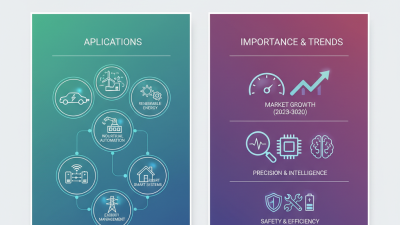
Current sensors play a vital role in modern technology. They measure electric current in various applications, from industrial machinery to consumer electronics. With the rise of automation and renewable energy, the demand for accurate current sensing solutions has surged.
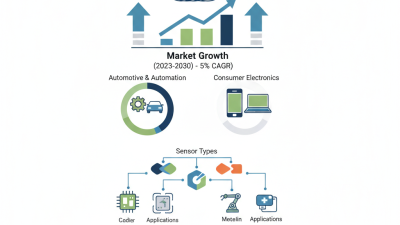
According to a recent market study, the global current sensor market is expected to grow at a CAGR of 10.5% from 2023 to 2030. This growth underscores the importance of these sensors in monitoring electrical systems' efficiency and safety. The ability to assess current flow helps prevent overheating and equipment failure, contributing to cost-efficiency and sustainability in energy usage.
Many industries rely heavily on current sensors. For example, electric vehicles utilize these sensors for battery management systems. In renewable energy, current sensors help optimize energy conversion in solar panels. However, existing technologies often face challenges such as temperature sensitivity and limited accuracy. This highlights a crucial area for improvement and innovation in the field. Continuous research is essential for developing more reliable solutions.
Key Features to Consider in Current Sensor Selection
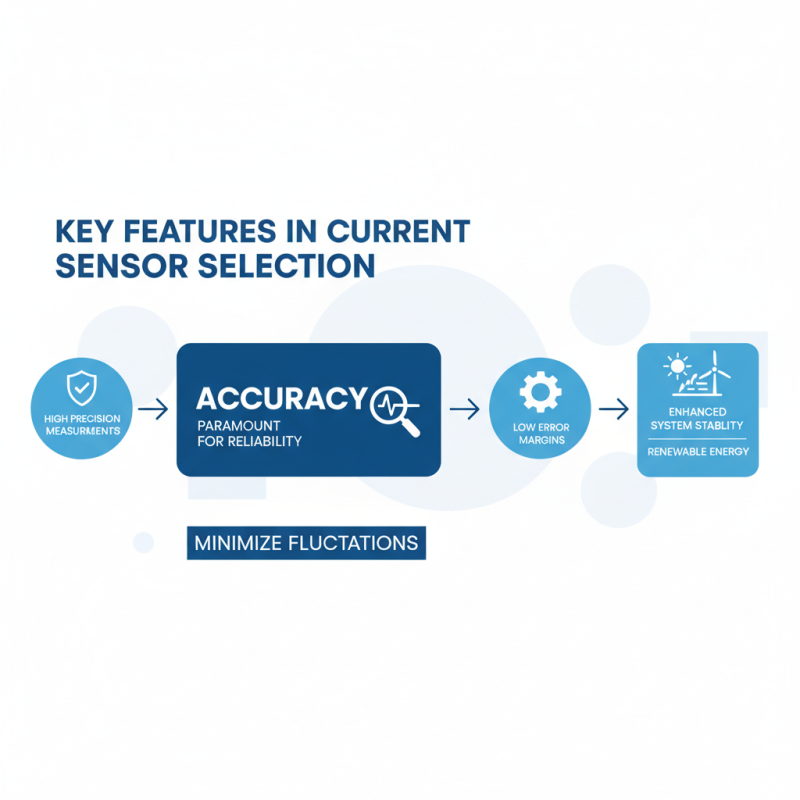
When choosing a current sensor, several key features must be assessed to ensure optimal performance. Accuracy is paramount. Sensors with high precision offer better reliability in measurements. This is especially critical in applications like renewable energy, where small fluctuations can lead to significant discrepancies. Users should prioritize sensors that provide low error margins to enhance system stability.
Another important factor is the measurement range. Different applications require different ranges. For instance, industrial machinery may need sensors that handle higher currents. Conversely, consumer electronics might require lower ranges. The selection should reflect the specific needs of your project.
Integration and compatibility with existing systems are also crucial. Sensors that seamlessly fit into your current framework save time and reduce costs. Look for those with standard communication protocols, allowing easy data exchange. Additionally, consider the environmental factors where the sensor will operate. For example, sensors exposed to harsh conditions must have robust enclosures to prevent damage. This thorough approach ensures that users can select the best current sensor for their unique requirements.
Top Current Sensor Manufacturers and Brands in China Today
When exploring current sensor solutions in China, it's crucial to understand the global landscape. Several manufacturers stand out in quality and reliability. The best brands prioritize innovation and meet industry standards. Reliable sensors are vital for applications in automation, automotive, and renewable energy sectors.
Tips: Look for manufacturers with certifications. This shows commitment to quality and safety. Reading user reviews can also provide insight into real-world performance.
Consider the technology options available. Hall effect, shunt, and Rogowski coil sensors each have unique advantages. Evaluate what works best for your specific application needs. Sometimes, a simple solution might be more effective than a complex design.
Tips: Test multiple solutions before deciding. Conducting tests can reveal limitations that might not be apparent initially. Always think about future scalability when making your choice; the right sensor should grow with your needs.
Find the Best Current Sensor Solutions in China Today? - Top Current Sensor Manufacturers and Brands in China Today
| Model |
Type |
Measurement Range (A) |
Output Signal |
Accuracy (%) |
Price (USD) |
| ACS712 |
Hall Effect |
5 to 30 |
Analog |
1.5 |
5 |
| INA219 |
Shunt Resistor |
0 to 60 |
I2C |
1 |
6 |
| TSM-100 |
Current Transformer |
0 to 100 |
Analog |
0.5 |
15 |
| ZY-05 |
Rogowski Coil |
0 to 200 |
Analog & Frequency |
2 |
25 |
Innovative Current Sensor Technologies Emerging in the Chinese Market
In the rapidly evolving landscape of current sensor technology in China, recent innovations are transforming how industries measure and monitor electrical currents. The market for current sensors is expected to grow at an annual rate of 10%, according to a report by MarketsandMarkets. This growth is fueled by advancements in precision measurement and durability, which are critical for sectors like renewable energy and electric vehicles.
Developments in non-intrusive sensing technologies are gaining traction. These sensors can detect electrical currents without interrupting the circuit, ensuring safety and convenience. This is particularly beneficial for industries focused on improving energy efficiency. Recent studies indicate that these innovative solutions can enhance performance accuracy by up to 30%.
However, while the potential is significant, challenges remain. Not all sensors offer the same reliability in extreme conditions. A report from Research Nester highlighted that about 15% of traditional current sensors fail in high-temperature environments. This raises questions about long-term durability and dependability. As the market expands, addressing these issues is crucial for widespread adoption of new technologies.
Comparative Analysis of Current Sensor Solutions Available in China
As current sensor technology advances, China presents a myriad of options. Many industries, from automotive to renewable energy, require reliable current measurement solutions. When evaluating these solutions, one should consider factors like accuracy, response time, and calibration. Each technology type—hall effect, shunt resistor, and clamp-on sensors—offers distinct advantages and challenges.
Accuracy remains a core metric. Some sensors excel in high-current situations but may lag in low-current accuracy. In contrast, others prioritize precision at lower levels. It's essential to match the sensor type with the specific application. Enterprises often overlook calibration; without it, even the best sensors can produce misleading data.
Tips:
1. Ensure to validate the sensor specifications with real-world applications.
2. Don't underestimate the role of environmental factors like temperature and humidity in sensor performance.
Market conditions can significantly impact sensor availability and price. Emerging solutions might seem enticing, but their reliability could be questionable. Researching industry trends and user experiences can help avoid costly mistakes. A well-informed decision can foster efficiency and sustainability in operations.