Why Choosing the Right Current Transformer Core Matters?
Choosing the right Current Transformer Core is pivotal in electrical engineering. A well-designed core can enhance measurement accuracy and energy efficiency. According to the International Electrotechnical Commission, improper selection of transformer cores can lead to losses exceeding 10% in power systems. These losses not only impact operational costs but can also result in equipment degradation.
The Current Transformer Core plays a significant role in protecting electrical networks. A poor choice may lead to saturation, affecting the entire system's stability. According to a study by the IEEE, approximately 15% of transformer failures stem from core-related issues. This emphasizes the importance of thorough evaluation and selection processes.
It's essential to focus on the specific requirements of each application. What works for one system may not be suitable for another. Current Transformer Cores vary in material, shape, and design, and a mismatch can result in inefficiencies. This complexity highlights the need for expert evaluation to ensure reliability and optimal performance in electrical infrastructures.

Understanding the Functionality of Current Transformer Cores
The functionality of current transformer cores plays a crucial role in electrical measurements and protection systems. These cores are designed to accurately sense and transform primary current into a manageable secondary current. This transformation is not merely a technicality; it impacts the precision of measurements and the reliability of protective relays. An incorrectly chosen core can lead to significant errors in current readings.
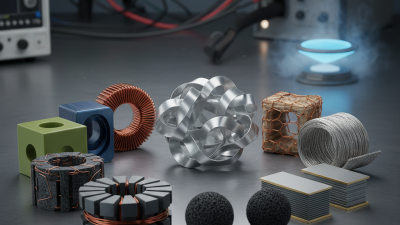
Current transformers come in various core materials - ferrite, silicon steel, or amorphous metal. Each material has different characteristics that affect performance. The selection of the core should depend on factors like the frequency of operation and the expected temperature range. An efficient core can enhance the transformer’s accuracy, while a poor choice might lead to saturation issues. Understanding such nuances requires a blend of technical expertise and practical experience.
Choosing the right core is not just a matter of preference; it's vital. Neglecting these details could lead to significant financial repercussions or unsafe operating conditions. Many people overlook this aspect and make decisions based solely on cost. This shortcut often results in poorly performing transformers that fail to meet operational standards. Being mindful of the core's role allows for improved safety and efficiency in electrical systems.
Current Transformer Core Performance Comparison
This chart displays the efficiency of various current transformer core materials. Understanding these differences is crucial for selecting the right core for optimal performance.
Different Types of Current Transformer Cores and Their Applications
When it comes to current transformers (CTs), the choice of core material is vital. Different types of cores offer various benefits depending on the application. For example, silicon steel cores are popular in energy measurement due to their stability and efficiency. According to recent industry reports, using high-quality silicon steels can enhance performance by over 15%.
Another noteworthy option is the ferrite core, mainly used in high-frequency applications. Ferrite cores exhibit low losses at high frequencies, making them ideal for electronic devices. Interestingly, they can achieve efficiencies exceeding 80% in specific applications. However, their use may be limited by temperature constraints and magnetic saturation.
Tips: Always evaluate the application needs before selecting a core. Consider both the operational environment and expected performance. Not all cores are suitable for every situation. A poor choice can lead to inefficiencies or measurement inaccuracies. Engage with reliable sources of information to stay updated on advancements in core technologies.
Factors Influencing the Selection of Current Transformer Cores
Choosing the right current transformer core is crucial for optimal performance in electrical systems. Several factors influence this selection, with core material being one of the most significant. Silicon steel, for example, offers high magnetic permeability. This translates to lower losses in energy transfer. According to a 2022 industry report, using silicon steel can reduce energy loss by up to 15% compared to other materials.
Another important factor is the core geometry. The shape of the core can greatly affect the transformer's efficiency. A circular core typically aids in reducing air gaps, leading to better performance. Different applications may require different geometries. For instance, a rectangular core might suit compact designs but could compromise some efficiency. A 2023 analysis highlights that improper core design can lead to a 12% drop in overall efficiency.
Lastly, temperature stability plays a crucial role. Materials that can withstand higher temperatures without degrading ensure longevity and reliability. Technological advancements have led to improved materials, but some users may overlook this aspect. A miscalculation in thermal management can lead to significant operational failures. Proper research and understanding are vital for making the best choice in current transformer cores.
Why Choosing the Right Current Transformer Core Matters? - Factors Influencing the Selection of Current Transformer Cores
| Core Material |
Magnetic Properties |
Application Type |
Temperature Stability |
Cost |
| Silicon Steel |
High permeability, Low loss |
Power transformers |
-20°C to 120°C |
Moderate |
| Ferrite |
High frequency response |
High-frequency applications |
-40°C to 130°C |
High |
| Amorphous Steel |
Very low loss, High efficiency |
Energy-efficient transformers |
-40°C to 135°C |
Moderate to High |
| Metglas |
Exceptional low losses |
Specialized applications |
-40°C to 130°C |
High |
| Air Core |
Low permeability |
High voltage applications |
-30°C to 100°C |
Low |
Impact of Core Material on Accuracy and Performance
The choice of core material in current transformers significantly affects measurement accuracy. Different materials exhibit varied magnetic properties, influencing how well the transformer responds to changes in current. A core made from high permeability materials can achieve better sensitivity. But these materials come with limitations, including cost and saturation levels.
Accuracy in current transformers is not solely based on core material. Design considerations and application context also play crucial roles. An ideal core may not be practical for every installation. For instance, using a ferrite core can lead to better high-frequency response, but it might not perform well under high-load conditions. Balancing these factors can be tricky.
In some cases, even minor imperfections in core construction can lead to significant errors in measurement. For example, air gaps or misalignments can distort the magnetic field. Users often overlook these details, affecting overall system reliability. Every choice, from core selection to installation practices, influences performance and accountability.