How to Choose a Toroidal Transformer for Your Electrical Projects?
When it comes to electrical projects, selecting the right Toroidal Transformer is crucial for achieving optimal performance. A recent report from the International Electrotechnical Commission (IEC) highlights that approximately 30% of losses in electrical systems can be attributed to inefficient transformers. Toroidal Transformers can significantly reduce these losses thanks to their design. Industry expert, Dr. Emily Carter, states, “A well-chosen Toroidal Transformer can enhance energy efficiency and performance in various applications.”
These transformers are compact and provide better voltage regulation compared to traditional ones. Their unique shape minimizes electromagnetic interference, making them suitable for sensitive electronic equipment. Furthermore, while they offer numerous advantages, it is essential to consider factors like power ratings and application types before making a decision.
Despite their benefits, some projects may not require such transformers, leading to potential oversizing and unnecessary costs. Evaluating the specific requirements of each electrical project ensures a more effective and economical choice. Understanding the nuances of Toroidal Transformers is vital for both seasoned engineers and novice DIY enthusiasts alike.

Understanding the Basics of Toroidal Transformers
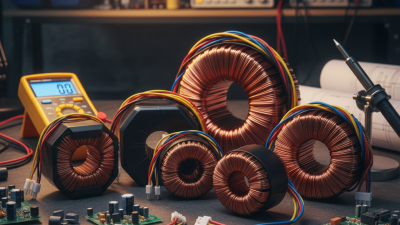
Understanding the basics of toroidal transformers is essential for electrical projects. These transformers are known for their unique shape. Their doughnut-like design helps in reducing electromagnetic interference. This makes them ideal for sensitive applications. The core is made of magnetic material, enhancing efficiency.
When choosing a toroidal transformer, consider your voltage and current needs. Matching these specifications ensures optimal performance. Be mindful of the physical space available in your project. A toroidal transformer can be bulky compared to traditional transformers. Ensure it fits comfortably in your design.
Tips: Always verify the transformer's power rating. It should exceed your circuit's maximum load. Monitor the heat generated during operation. Excessive heat may indicate inefficiency. Regularly check for signs of wear or damage. This will prolong the life of your transformer and maintain reliability.
Voltage Ratings of Toroidal Transformers
Identifying the Specifications Needed for Your Project
Choosing the right toroidal transformer is essential for your electrical projects. You need to identify specific specifications that match your requirements. Key parameters include voltage, current, and power rating. A 2019 report by the Electric Power Research Institute highlighted that proper specification selection improves energy efficiency by up to 30%. The rated voltage should align with your circuit’s needs.
Mechanical size and weight are also crucial. Toroidal transformers are known for their compact design. However, it’s important to consider heat dissipation and magnetic shielding. Choose a transformer with adequate cooling if it will operate at higher loads. The IEEE provides guidelines on thermal management in transformers, emphasizing the importance of maintaining optimal temperatures.
Tips for selection: Always double-check the current rating. Underrating can lead to overheating. Consult with industry reports for reliability data on manufacturers. This adds an extra layer of confidence to your purchase. Measure the physical space available for installation. Challenging installations may require custom solutions. Electrical projects often demand careful consideration, as slight miscalculations can lead to inefficiencies or failures.
Evaluating the Advantages of Toroidal Transformers
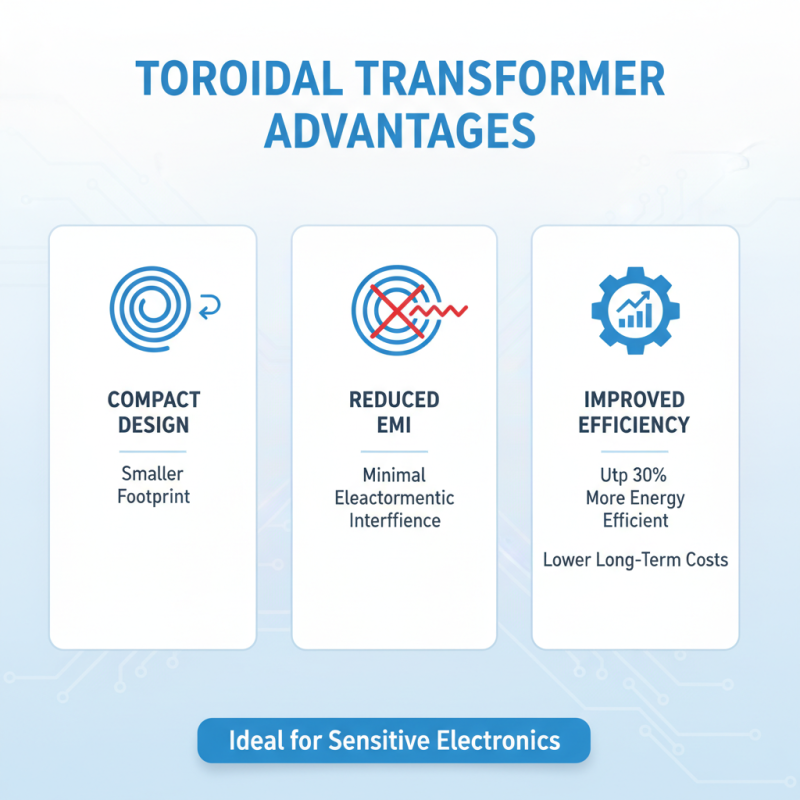
When evaluating toroidal transformers, several advantages stand out. Toroidal transformers are more compact than traditional transformers. Their circular design helps to minimize electromagnetic interference. This feature is particularly important for sensitive electronic devices. According to a recent industry report, toroidal transformers improve efficiency by up to 30% compared to conventional models. This efficiency translates into lower energy costs for long-term use.
Weigh the factors that matter in your electrical projects. **Tip:** Always consider the power requirements first. A transformer must meet the specific voltage and wattage needs of your project. Additionally, evaluate the thermal performance. Toroidal transformers tend to run cooler, reducing the risk of overheating. This is especially crucial in densely packed or enclosed spaces.
Be mindful of installation limitations. Although toroidal transformers offer many benefits, they can be tricky to install. **Tip:** Ensure you have adequate space for the transformer, especially if using multiple units. Sometimes, the design choices can lead to installation challenges. Keep the environment in mind, as humidity and temperature might affect performance. Overall, the unique characteristics of toroidal transformers provide significant advantages in various applications.
Selecting the Right Size and Power Rating
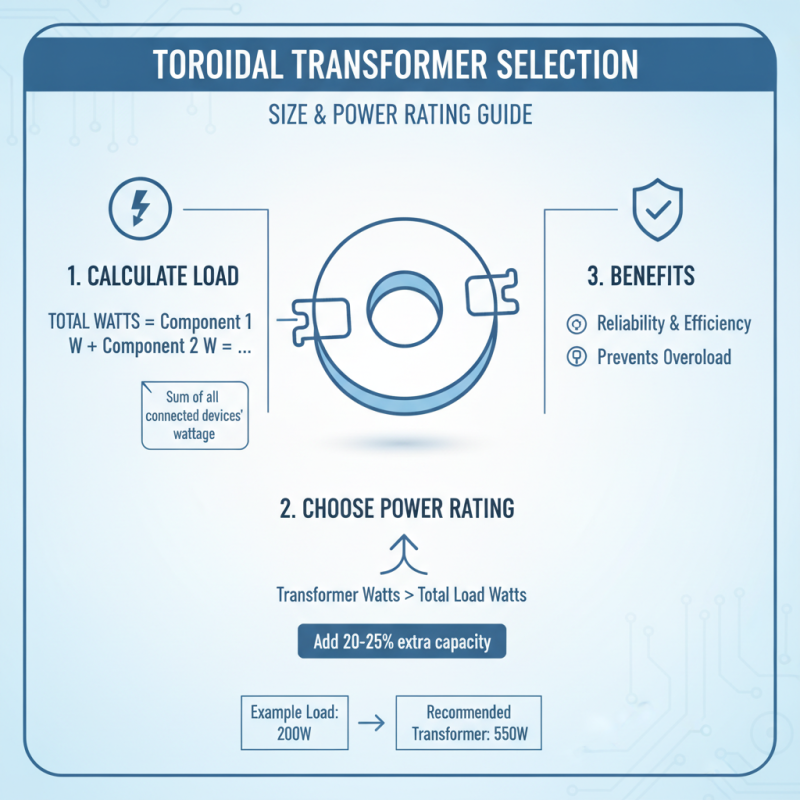
When selecting a toroidal transformer, size and power rating are critical factors. The transformer should match your electrical load requirements. Calculate the total wattage needed for your project. This will guide you in choosing the right power rating. If your load is 200 watts, look for a transformer rated slightly higher, perhaps 250 watts. This excess capacity ensures reliability and efficiency.
Size matters too. Toroidal transformers are compact but weigh significantly more than others. Consider the available space in your project. A transformer that is too large may not fit properly, leading to installation issues. Moreover, think about airflow and heat dissipation. An improperly sized transformer can overheat, causing failures.
Reflect on your past projects. Did you ever choose a component without proper calculations? Mistakes often come from overlooking specifications. Always refer to reliable sources for guidance. Ensure the transformer meets necessary safety standards. Not paying attention to these details can lead to serious risks. Consider both the specifications and the environment in which the transformer will operate.
Considering Safety Standards and Regulations for Use
When selecting a toroidal transformer, safety must be a top priority. Many structures have regulations to follow, especially in residential and commercial projects. Understanding these rules protects users and devices from electrical hazards. Compliance ensures reliable performance and lowers the risks of electrical failures.
It's crucial to check local codes. Many areas require specific insulation standards and load ratings for transformers. Be aware of requirements for grounding and overcurrent protection. This knowledge not only fosters safety but also promotes proper energy management. Ensure the transformer meets industry standards before installation.
Tips: Regular checks on your transformer can catch potential issues early. Invest in quality connectors, as these often ensure stable performance. Always keep updated on evolving safety regulations to maintain compliance. An informed approach can save time and costs, benefiting your projects significantly.
How to Choose a Toroidal Transformer for Your Electrical Projects?
| Specification |
Description |
Considerations |
| Power Rating |
Measured in VA (volt-amperes), indicates the transformer's capacity |
Select based on load requirements of the project |
| Input Voltage |
Voltage supplied to the transformer |
Ensure it matches the available power supply |
| Output Voltage |
Voltage delivered to the load from the transformer |
Must be suitable for the intended application |
| Frequency |
Operational frequency typically 50Hz or 60Hz |
Check compatibility with associated equipment |
| Noise Level |
Indicates the operational sound of the transformer |
Consider low-noise options for sensitive environments |
| Safety Standards |
Compliance with local and international standards |
Ensure certifications for user safety |