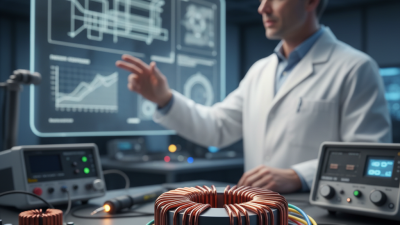
Top 10 Toroidal Transformer Manufacturers in China
China’s toroidal transformer market serves audio equipment, medical devices, industrial controls, renewable-energy systems, and other applications. Buyers often value the compact core, low audible hum, and efficient use of space. Yet these advantages depend on careful design and manufacturing. A neat-looking winding is not enough.
Transformer engineer Martin J. Heathcote’s guidance can be paraphrased this way: “A transformer must be designed for its actual operating conditions, not just its headline rating.” This is a paraphrase, not a verbatim quotation. The principle matters when comparing manufacturers. Ask about core materials, winding methods, insulation systems, temperature-rise testing, and documented quality controls. Request specifications that match your load, frequency, installation environment, and required certifications. Details count.
This guide reviews ten Toroidal Transformer manufacturers in China, focusing on capabilities buyers can investigate rather than broad promises. It considers product range, customization, production experience, quality documentation, and communication during technical discussions. A supplier’s website may look polished; a clear test report and consistent answers are more useful. No ranking can replace a factory audit or sample evaluation. Some public company information may also be incomplete, so verify important claims directly. The shortlist is a starting point, not a verdict. That distinction matters.
China’s Toroidal Transformer Manufacturing Landscape
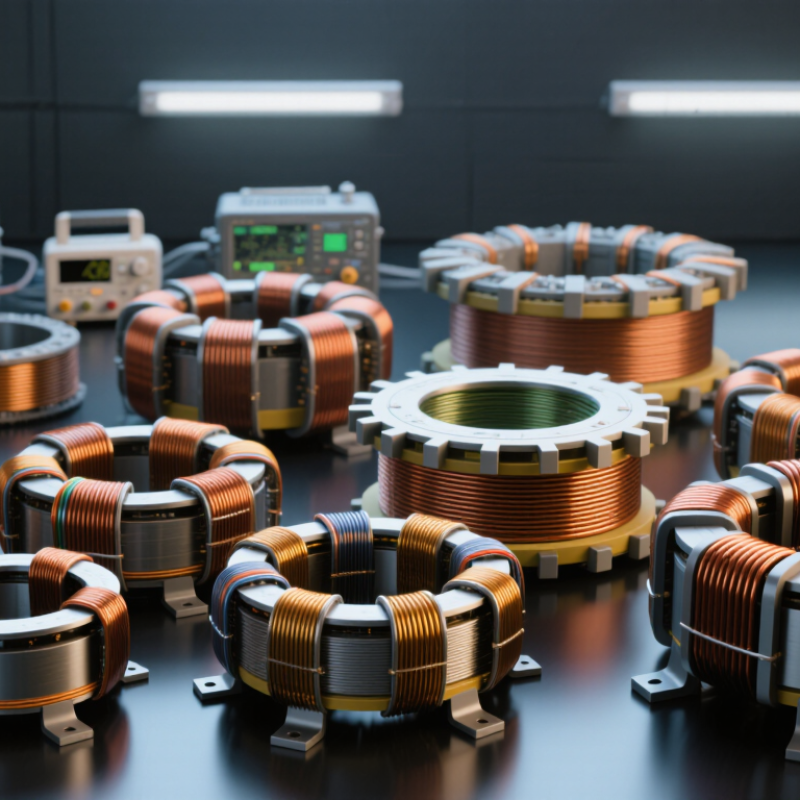
China’s toroidal transformer manufacturing landscape is shaped by a broad electrical-component supply chain. Copper wire, steel strip, insulation films, and winding equipment are sourced and assembled across different industrial regions. Some factories focus on compact audio or control units; others produce larger transformers for equipment manufacturers. The range is wide. Production scale alone says little about consistency.
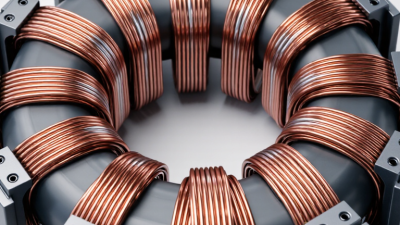
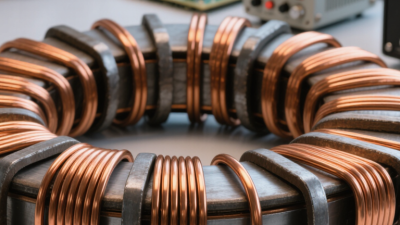
A toroidal core is wound from a continuous strip, then insulated and fitted with carefully arranged copper windings. Small differences in core construction, winding tension, and lead placement can affect losses, temperature rise, and audible hum. Skilled operators still matter, even where machines handle repetitive winding work. Testing should cover electrical safety, no-load current, load performance, and temperature under stated conditions. Ask for traceable test records. They are more useful than a polished catalogue.
For buyers comparing suppliers, practical questions include: Which tolerances are controlled? Are materials identified by batch? Can the factory repeat a sample design across production runs? Export experience may help with packaging and documentation, but it does not replace engineering review. Some online claims are difficult to verify, and that uncertainty deserves attention. A factory visit or independent sample test can reveal gaps. Even experienced buyers may overlook winding details that only appear under load.
Design and Production of Toroidal Transformers
Toroidal transformer design starts with the electrical load, not the shape of the core. Engineers define voltage, frequency, current, duty cycle, and acceptable temperature rise. They then select a core size and magnetic material that can handle the required flux without excessive losses. Small choices matter. A few extra turns can affect regulation, while tightly packed copper may restrict cooling.
Production depends on controlled winding and careful insulation. The wire must sit evenly around the ring, without sharp bends that damage its coating. Operators may use winding machines for repeatability, but setup and inspection still require skilled attention. A neat winding is not automatically a good one. This is where drawings can mislead: real components need space for leads, insulation layers, and assembly tolerances. After winding, manufacturers typically secure the coil, connect leads, and check electrical performance. Tests may include turns ratio, insulation resistance, no-load current, and temperature under representative load. Results should be recorded against clear acceptance limits. Noise and heat deserve attention too. A transformer can pass basic electrical checks yet still run warmer than expected in its final enclosure. That gap calls for review, not guesswork.
Criteria for Evaluating Chinese Manufacturers
Top 10 Toroidal Transformer Manufacturers in China: Criteria for Evaluating Chinese Manufacturers
Choosing a manufacturer takes more than comparing prices or reading a polished catalog. Check whether the team can explain its core material, winding method, and insulation choices in practical terms. Ask for test records covering input and output voltage, no-load current, temperature rise, and dielectric strength. Details matter. A sample tested under your actual load can reveal problems that a specification sheet may miss.
Review quality controls across production, not just the final inspection. Look for documented procedures, calibrated test equipment, material traceability, and clear handling of nonconforming units. Confirm that drawings show dimensions, lead placement, mounting details, and allowable tolerances. Discuss production capacity, sample timing, minimum order quantities, and how design changes are approved. A responsive sales contact is useful, but technical questions should reach someone qualified to answer them. One overlooked issue: testing conditions may differ from your application.
Tips: Send a written specification and request a sample report before ordering. Compare the same operating conditions across suppliers. Ask what happens when a unit fails inspection. Keep communication records, and verify key claims with documents rather than promises. A factory visit or independent inspection may help, though neither guarantees perfect consistency.
Profiles of Ten Leading Toroidal Transformer Manufacturers in China
Top 10 Toroidal Transformer Manufacturers in China
Profiles of Ten Leading Toroidal Transformer Manufacturers in China
Chinese toroidal transformer makers serve audio, medical, industrial, and renewable-energy applications. Since names are intentionally omitted, these profiles describe distinct manufacturing strengths rather than rank specific companies. One maker focuses on low-noise audio units, checking hum and winding balance. Another builds compact control transformers for limited cabinet space. A third handles custom voltage and frequency requirements. Details matter.
A fourth manufacturer emphasizes small-batch prototypes, helping engineers test designs before scaling production. A fifth specializes in higher-power industrial units, where temperature rise and insulation choices need careful review. A sixth supplies transformers for medical equipment, with documentation and traceability central to production. A seventh produces power components for solar and energy-storage systems. An eighth focuses on export-ready packaging and repeatable inspection records. A ninth uses automated winding for consistent coil placement. A tenth serves OEM projects with tailored leads, mounting hardware, and enclosure options. These are capability profiles, not verified rankings; actual suppliers may combine several specialties.
When comparing manufacturers, request current datasheets, test reports, and sample units. Check input range, output regulation, core material, insulation class, and operating temperature. Ask how each supplier controls winding tension and verifies electrical safety performance. A quiet sample is useful, but not enough. Inspect terminals, labels, and mounting points against your production needs. Factory capability can change, so confirm equipment, quality procedures, and lead times directly before placing an order.
China’s Nominal AC Supply Voltage Standards
China’s standard nominal supply voltages include 220 V for single-phase systems and 380 V for three-phase systems. The standard power frequency is 50 Hz. These are reference supply values, not manufacturer-specific product ratings.
Product Types, Applications, and Market Differences
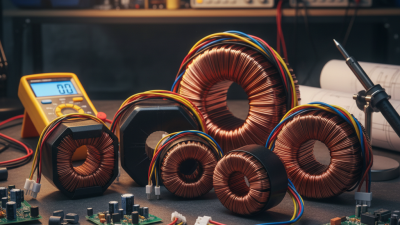
Toroidal transformers from Chinese manufacturers range from compact PCB-mounted units to larger isolation and control models. Their ring-shaped cores can reduce stray magnetic fields and audible hum, though winding quality and enclosure design still matter.
Small details matter.
In audio equipment, designers may value low noise; in industrial control cabinets, stable output and thermal performance often take priority. Medical and laboratory uses demand careful attention to insulation, testing, and documentation, not just compact dimensions.
Demand also varies by application and buyer expectations. The International Energy Agency’s Global EV Outlook 2024 reports nearly 14 million electric cars sold worldwide in 2023. That growth supports demand for charging infrastructure, where toroidal units may serve auxiliary control circuits rather than the main power-conversion stage.
The IEA’s Electricity Grids and Secure Energy Transitions (2023) estimates that over 80 million kilometres of grids must be added or replaced by 2040. This points to broader investment in power systems, but it does not directly measure toroidal-transformer demand.
Chinese suppliers often compete on customization, lead time, and price, while export buyers may place greater weight on traceable test records and consistent specifications. Price comparisons can mislead: copper weight, temperature rise, and no-load loss are easy to overlook.
I would verify these figures against the intended load and operating conditions.